Expert Insights from Tree Service Colchester
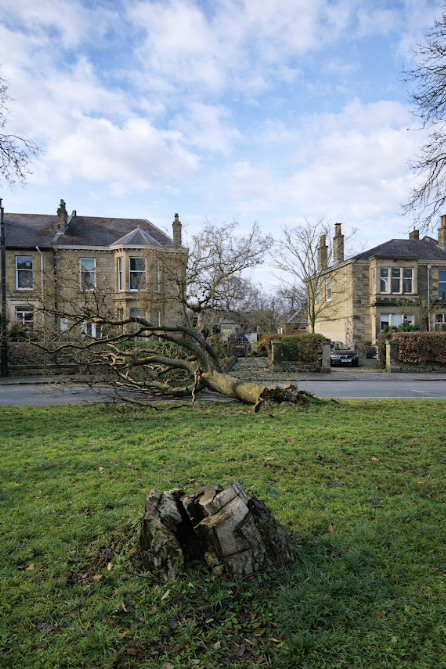
There is something timeless about the British landscape, and trees are at the heart of it. From ancient woodland in rural Essex to the leafy avenues of Colchester, mature trees define our countryside, coastal towns, and residential neighbourhoods. They support wildlife, improve air quality, manage surface water, and make the places we live far more pleasant.
At Tree Service Colchester, our professional tree surgeons in Essex work with homeowners, landowners, and businesses across Colchester, Braintree, Halstead, Harwich, Ipswich, Manningtree, Wivenhoe, Clacton-on-Sea, Sudbury, Witham, Frinton-on-Sea and the surrounding areas. Healthy trees require informed, professional care and in this guide, we cover the key species found across north Essex and south Suffolk, what responsible tree management looks like, and why working with a qualified tree surgeon in Colchester makes all the difference.
Why Trees Matter to Local Communities
The benefits trees bring to communities across Essex and Suffolk are real and measurable:
- Air Quality — Trees absorb pollutants and produce oxygen, improving air quality on residential and commercial streets alike.
- Mental Health and Wellbeing — Mature trees in settings like Castle Park in Colchester and the riverside near Manningtree provide calm and support mental wellbeing.
- Property Value — In sought-after locations like West Bergholt, Coggeshall, Maldon mature trees boost kerb appeal and privacy.
- Coastal and Wind Protection — In exposed towns like Clacton-on-Sea, Frinton-on-Sea and Harwich, trees act as natural windbreaks, shielding properties from strong weather.
- Wildlife Habitat — Native trees support birds, bats, pollinators, and fungi, making them essential to local biodiversity.
When trees are properly maintained, they are genuine assets. Without care, they become costly liabilities.
Native Tree Species Across North Essex and South Suffolk
Several native species are particularly prominent across Colchester, Halstead, Sudbury, and the surrounding villages. A skilled tree surgeon in North Essex will understand the specific needs of each:
- English Oak — One of Britain’s most iconic trees. It supports hundreds of insect species, produces acorns that sustain local wildlife, and can live for centuries. Requires sufficient space and periodic structural pruning as it matures. Commonly found in Dedham Vale and Stour Valley. Mistley, Essex is ‘Home to “Old Knobbley,” one of England’s oldest oaks, estimated to be over 800 years old.’The Stour Valley (Sudbury to Manningtree) Famous for Willow pollards and Alder, which create the “pastoral” quality captured in John Constable’s paintings.
- Silver Birch — Recognised by its distinctive pale bark and feathery leaves. Thrives in the lighter, sandy soils near Frinton-on-Sea and Clacton-on-Sea. Grows quickly, so regular inspections help keep it structurally sound.
- Beech — Known for its smooth grey bark and broad, dense canopy. A popular choice for larger gardens in areas like West Bergholt and Coggeshall, though shallow root systems benefit from careful ground management.
- Alder and Willow — Both thrive along watercourses like the River Colne and River Stour, where they stabilise riverbanks and provides habitat for otters.. Saturated soils can put pressure on root systems, making routine checks important. Fox earth Meadows (near Sudbury) features significant alder “car” (wet woodland).
- Field Maple and Hawthorn — A staple of rural hedgerows across Dedham Vale and Tiptree. Proper management preserves both their ecological value and boundary integrity. The 1,000-Year-Old Field Maple (Hatfield Forest, Takeley): Located near the boardwalk, this incredibly rare Field Maple pollard appears like a cluster of young trees but is a single ancient organism.
- Ash – widespread though currently affected by dieback.
- Hornbeam – The “Essex signature tree.” It thrives on the heavy boulder clay of the region. Very characteristic of North Essex, often found in ancient woodland. The signature tree of Essex and South Suffolk. Hatfield Forest (Takeley): Contains over 1,000 years of history with ancient hornbeam pollards and coppice stools in one of the best-preserved medieval hunting forests in Europe. Thorndon Country Park: Home to “twisted” veteran hornbeams with exposed root systems that provide habitats for rare beetles. Knightsland Wood (Epping Forest District) features a traditional coppice-with-standards structure typical of the ancient woods in the North Essex/South Suffolk borderlands.
- Native Black Poplar – a rare, iconic tree of the Stour Valley floodplains and wet meadows. Britain’s rarest native timber tree; critical populations remain in the floodplains near these villages (Boxted and Dedham Vale). Sudbury Water Meadows: These trees are iconic features of the local landscape, often seen near farm ponds and the River Stour. Look for their “swept” branches and deeply fissured bark.
- Ancient Yew – Preston St Mary Yew (Preston St Mary, Suffolk): A magnificent Ancient Yew in the village churchyard, estimated to be 800 years old, standing as a living link to the pre-Christian era.
- Small Leaved Lime – Once the dominant tree in the region’s prehistoric “wildwood.” It now only survives in ancient pockets. Groton Wood (near Hadleigh) is famous for its massive lime coppice stools, suggesting the northern part of the wood has existed since prehistoric times. A rare indicator of ancient primary woodland. Boreham: Notable for specimens with girths exceeding 4 metres. Priestley Wood (Barking/Needham Market): A Woodland Trust site famous for its small-leaved lime and wild service trees.
Ancient Trees and Legal Responsibilities
Essex and Suffolk are home to significant veteran tree populations, particularly within the Dedham Vale Area of Outstanding Natural Beauty near Dedham and East Bergholt. These trees often show hollow trunks and areas of deadwood — features that look concerning but are actually vital wildlife habitats. Removal should never be the automatic response.
Many trees across Colchester, Braintree, Witham, and Sudbury are also protected by Tree Preservation Orders (TPOs) or sit within designated conservation areas. Carrying out unauthorised work can result in serious fines. A fully insured tree surgeon in Colchester will:
- Confirm the TPO or conservation area status of your trees
- Manage any necessary applications to the local authority
- Provide detailed method statements
- Ensure all work complies with British Standard BS3998
Local knowledge of planning regulations across Essex and Suffolk makes this process far smoother.
Core Tree Surgery Services
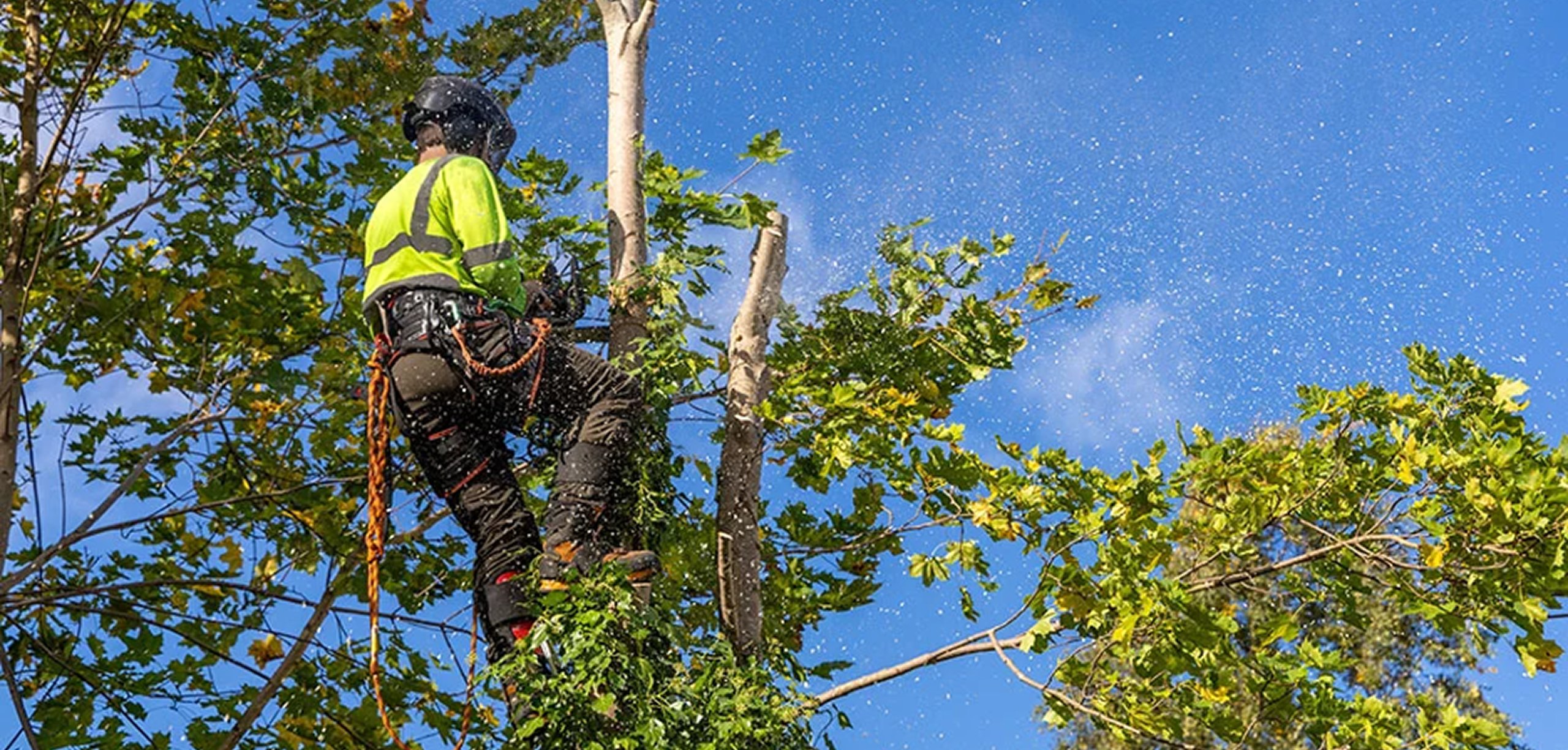
Professional tree surgery goes well beyond cutting branches. It involves structural risk assessment, disease diagnosis, specialist climbing and rigging, and the safe use of professional equipment. Poor pruning causes lasting damage, and unsafe removal creates serious risks to people and property.
Our core services include:
- Crown Reduction — Reduces the overall size of a tree while keeping its natural form. This lowers wind resistance and reduces the chance of storm damage.
- Crown Thinning — Removes selected branches from within the canopy to allow more light into gardens across areas like West Mersea and Frinton-on-Sea.
- Tree Removal — When a tree is unsafe or beyond recovery, removal may be the right course. However, a professional assessment will always explore alternatives first.
- Stump Grinding — Removes the stump after a tree has been taken down, eliminating trip hazards and freeing up space for replanting or landscaping.
- Deadwood Removal (deadwooding) — Reduces the risk of falling limbs through regular inspection and clearance.
Every site is different, which is why bespoke planning leads to the best outcomes. Contact us today to get a free quote for tree services in Colchester.
Tree Health and Storm Damage
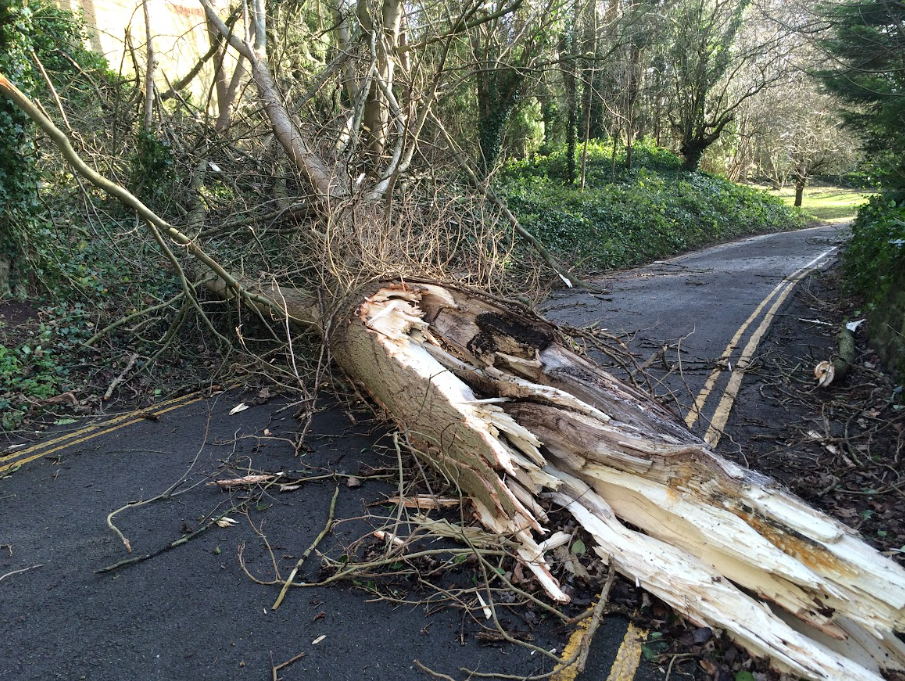
Trees across Essex and Suffolk face real threats including ash dieback, honey fungus, horse chestnut leaf miner, and drought stress in coastal soils. Warning signs to look out for include leaf discolouration, fungal growth at the base, bark cracking, a noticeable lean, or an unusual number of dead branches. Catching problems early prevents far more serious structural failures down the line.
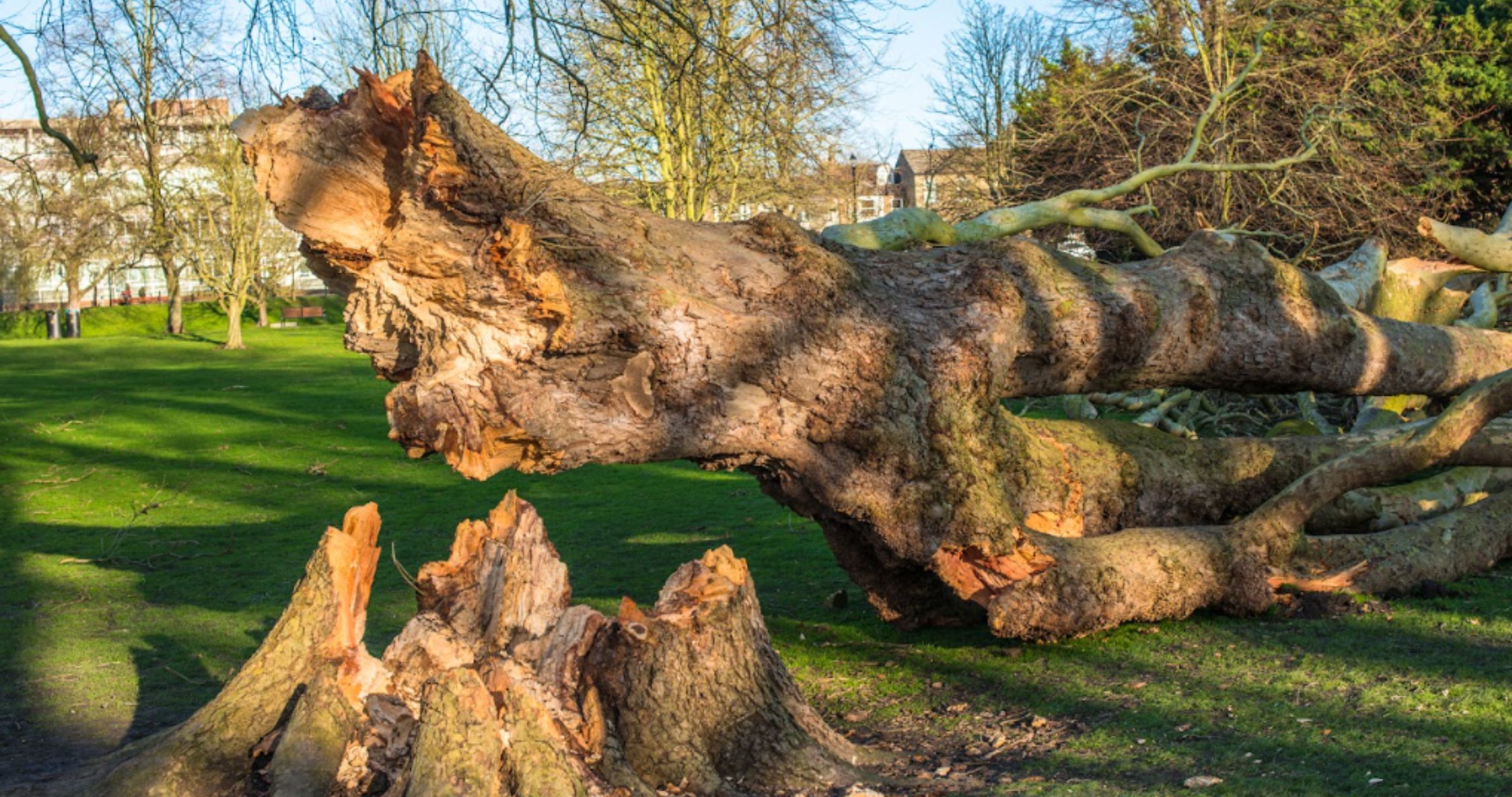
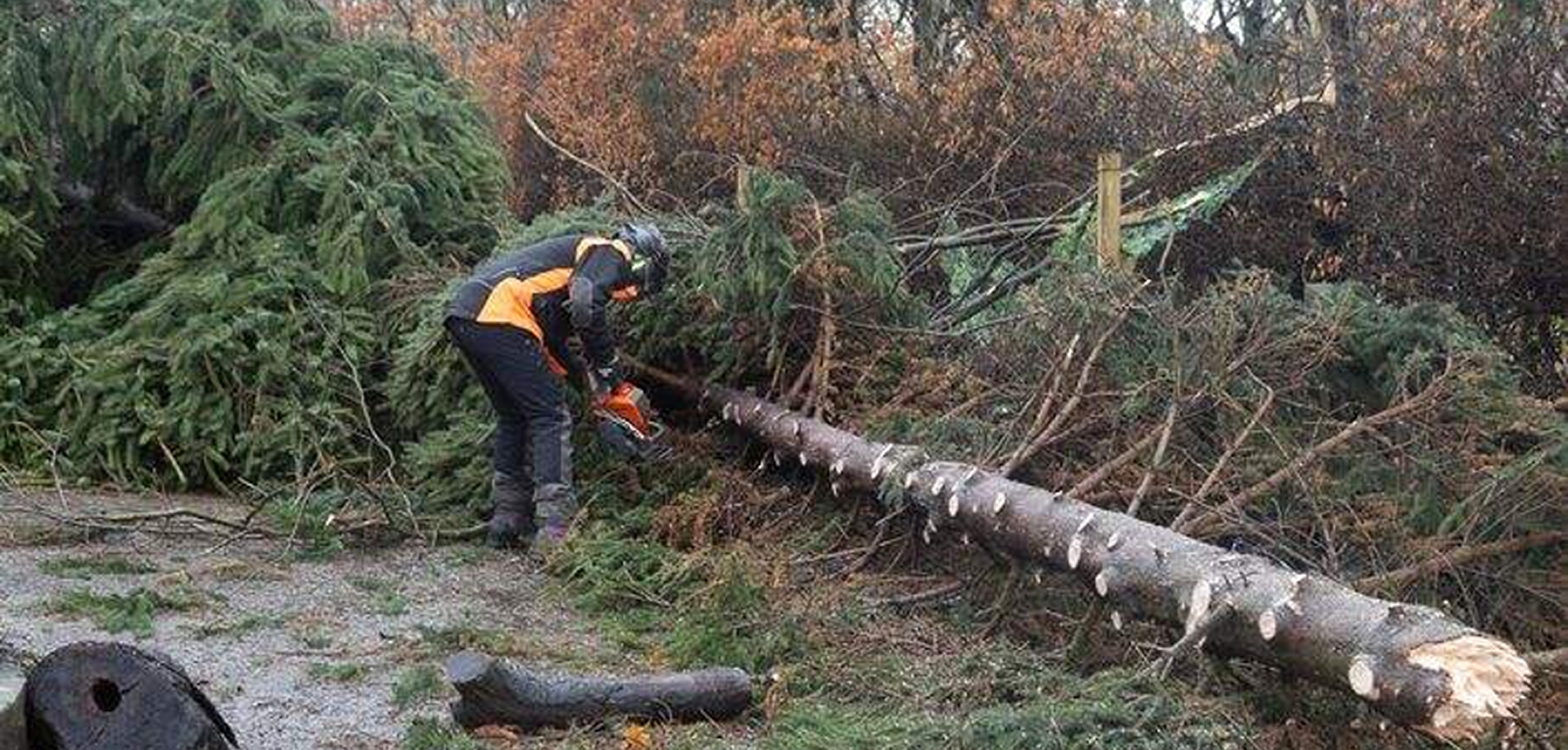
Coastal towns like Harwich, Clacton-on-Sea, and Frinton-on-Sea are particularly vulnerable to storm damage. Strong winds and salt exposure can bring down limbs or uproot weakened trees with little warning. Our 24/7 emergency tree service in Colchester is available around the clock removing dangerous branches, clearing fallen trees, and making unstable specimens safe.
If you have suffered storm damage and need urgent help, contact our emergency tree services team right away.
Why Choose Tree Service Colchester?
As an affordable tree surgeon in Colchester, our team brings:
- Direct experience of coastal conditions and estuary soils across north Essex and south Suffolk
- A thorough understanding of Colchester Borough Council planning requirements
- Fast response times for storm-related emergencies
- Full insurance and compliance with all industry standards
Whether you need a tree surgeon in Braintree, a tree surgeon in Clacton, tree services in Ipswich, tree services in South Suffolk, a tree surgeon in Harwich, or support across tree services in Wivenhoe we provide solutions tailored to your property and the landscape around it.
If you are searching for a local tree surgeon near me, always choose a team that is qualified, experienced, and fully insured.
Final Thoughts
Trees give places like Colchester, Sudbury, Braintree, and Clacton-on-Sea much of their beauty and character. They clean the air, support wildlife, add value to properties, and do a great deal for people’s wellbeing. But they need the right care to stay safe and healthy.
Whether you need routine maintenance or urgent help through our emergency tree services in Colchester, Tree Service Colchester is here to help.
Get in touch today to request a free quote and invest in the natural legacy of Essex and Suffolk for generations to come.