A Day in the Life of a Local Tree Surgeon in Colchester and North Essex
Being a professional tree surgeon in Essex is a far cry from simply cutting down trees. Every day involves skilled decision-making, careful planning, and physical precision all in service of keeping trees healthy, communities safe, and the local environment thriving.
From coastal towns like Clacton, Harwich, Frinton-on-Sea, and Brightlingsea to inland communities such as Braintree, Sudbury, Witham, and Wivenhoe, no two days are ever the same. Add in villages like Dedham, Manningtree, East Bergholt, and Marks Tey along with nearby Ipswich and it is clear that tree surgery across this region demands adaptability, deep local knowledge, and thorough preparation.
Here is a detailed look at what a typical working day looks like for a qualified tree surgeon in Colchester and across North Essex.
Early Start: Planning and Preparation
The day begins early. Tree surgery is physically demanding, and daylight hours are precious especially in winter.
Before arriving on site, the team reviews the day’s schedule. One job might involve crown reduction in Witham, while another requires sectional dismantling in central Colchester. There may also be a tree risk assessment in Dedham or hedge management in Tiptree later in the week.
Each project comes with its own set of considerations:
- Property type — residential, commercial, or agricultural
- Access limitations and site constraints
- Proximity to roads, buildings, or power lines
- Tree species, age, and condition
- Environmental factors such as coastal wind exposure in Clacton or Harwich
Weather is closely monitored. High winds along the coast can make climbing unsafe, while heavy rain in Sudbury or Halstead may affect ground stability and machinery access.
Equipment checks are non-negotiable before leaving the yard. Chainsaws are tested and sharpened. Climbing ropes and harnesses are inspected for wear. Wood chippers are fuelled, safety guards checked, and all personal protective equipment helmets, eye protection, chainsaw trousers, gloves, and boots must meet strict UK safety standards.
On Site: Safety First
Whether the job is in a suburban garden in Wivenhoe or along a roadside in Marks Tey, the first priority on arrival is always safety.
The team carries out a dynamic risk assessment. Even if the site was surveyed in advance, conditions can change. Wind direction, pedestrian activity, and ground conditions are all reassessed on the day.
Control measures are then put in place:
- Warning signage and barriers marking exclusion zones
- Safe drop zones clearly established
- Machinery positioned securely
- Clear communication maintained between climbers and ground staff
In busier areas such as central Colchester, Manningtree, or Ipswich, additional precautions protect passing traffic and pedestrians. As a fully insured tree surgeon in Colchester, every job is carried out with full compliance to UK health and safety regulations.
Morning Work: Pruning and Tree Maintenance
A significant portion of professional arboricultural work is dedicated to routine pruning and ongoing tree maintenance rather than full removals. While often perceived as simple cutting or shaping, pruning is in fact a highly technical discipline grounded in arboricultural science. It requires a detailed understanding of tree biology, growth responses, wound compartmentalisation, and species-specific development patterns. Correct pruning decisions can extend a tree’s lifespan, improve structural integrity, and significantly reduce future safety risks, whereas poor practice can permanently weaken or destabilise a tree.
In residential areas such as West Bergholt, Eight Ash Green, and Witham, pruning operations are typically carried out to balance aesthetic presentation with safety and practicality. Common interventions include the removal of dead, dying, or diseased limbs to prevent decay progression and reduce the risk of branch failure. Arborists also address crossing or rubbing branches, which can create wounds that become entry points for pathogens and fungal infection. In addition, growth that interferes with roofs, gutters, fences, satellite installations, or driveways is carefully reduced to prevent property damage. A further key objective in domestic settings is crown management to enhance natural light penetration into gardens, patios, and interior living spaces without compromising the tree’s structural balance.
In historically wooded villages such as Dedham and East Bergholt, where mature and veteran trees are a defining landscape feature, pruning must be particularly sensitive. Selective canopy thinning is often used to increase light levels while preserving the tree’s natural form and ecological value. This approach helps maintain biodiversity habitats while improving amenity value for surrounding properties. In rural settings such as Halstead and Sudbury, pruning also serves a functional role in maintaining clear sightlines for agricultural machinery access, reducing obstruction along farm tracks and field boundaries.
- Crown Work: The Technical Side of Tree Surgery
Advanced crown management represents some of the most technically demanding aspects of arboriculture, requiring precision cuts, careful planning, and a clear understanding of how trees redistribute growth after intervention. - Crown Lifting (raising) involves the systematic removal of lower branches to increase clearance beneath the canopy. This technique is frequently used along transport routes in areas such as Braintree, Marks Tey, and Colchester, where unobstructed passage is essential for vehicles, cyclists, and pedestrians. In exposed coastal environments like Clacton and Harwich, crown lifting can also reduce the impact of salt spray on lower foliage, improving overall tree health.
- Crown Reduction is a highly skilled process that reduces both the height and lateral spread of a tree while maintaining its natural character and structural integrity. It is particularly valuable in suburban gardens in Witham and Wivenhoe, where space constraints require controlled canopy management. In more exposed coastal locations such as Frinton-on-Sea, crown reduction is also an important preventative measure, reducing wind sail effect and lowering the likelihood of storm damage or structural failure.
- Crown Thinning involves the selective removal of internal branches throughout the canopy to improve airflow and light penetration. This technique reduces wind resistance, helps limit the spread of fungal diseases by improving ventilation, and decreases the likelihood of branch failure during adverse weather. In densely developed urban environments such as Colchester and Ipswich, crown thinning also plays a key role in managing light competition between neighbouring properties, ensuring balanced and sustainable tree growth within confined spaces.
Tree Removal: When It Cannot Be Avoided
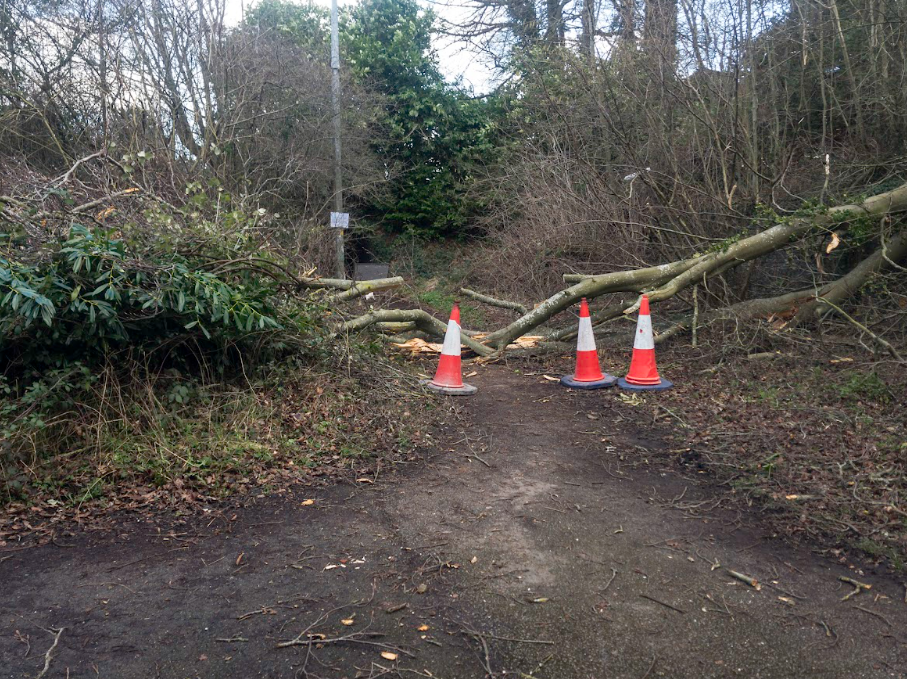
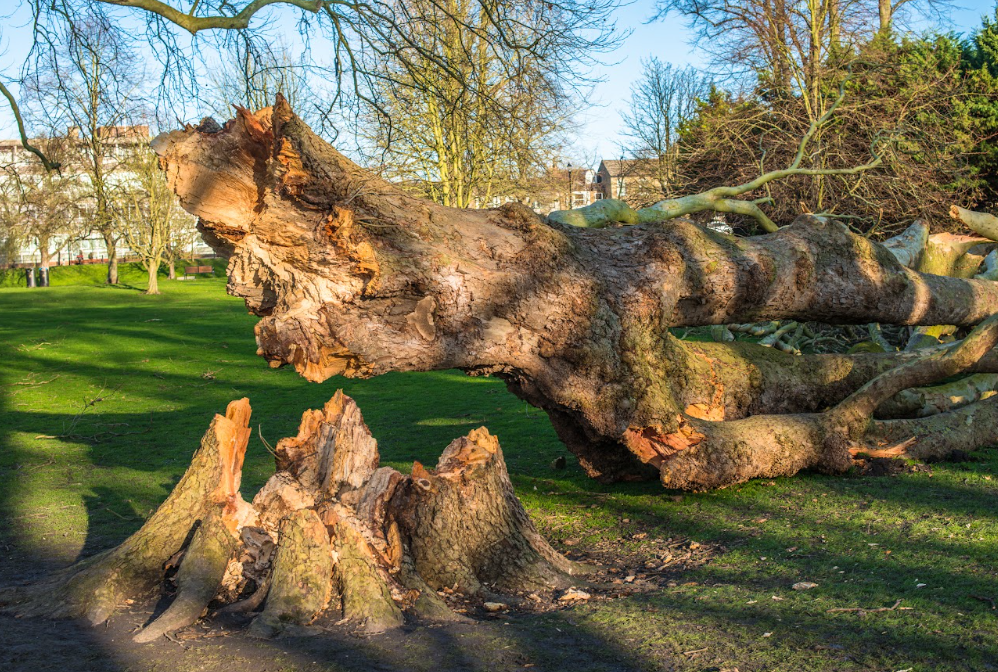
Preservation is always the preferred approach, but some trees do need to come down. Common reasons include severe disease or decay, root damage affecting nearby structures, storm damage, or development requirements.
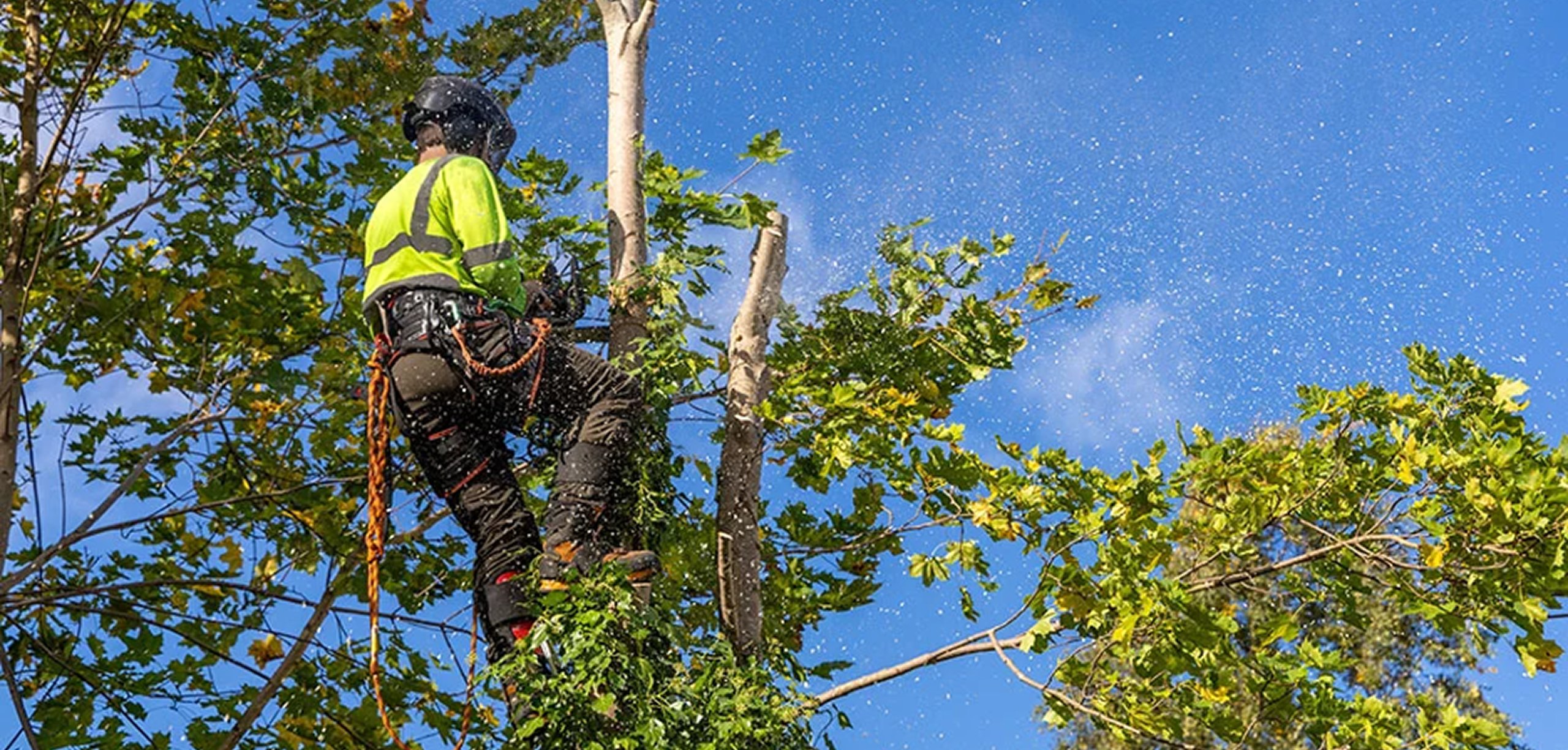
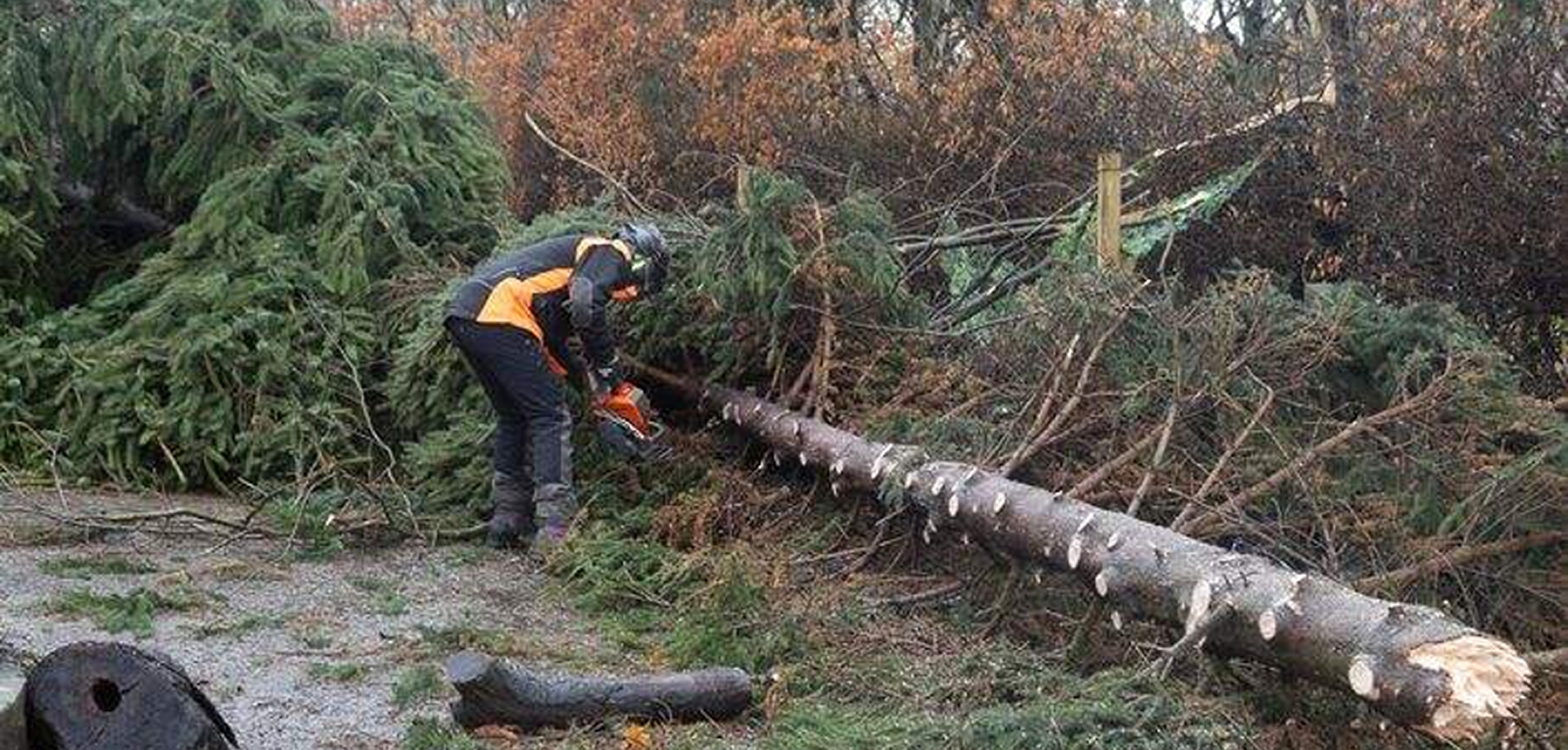
In open rural areas near Sudbury or Halstead, straight felling may be straightforward. But in confined gardens in Colchester, Manningtree, or Wivenhoe, sectional dismantling is required climbing the tree and removing it piece by piece using specialist ropes and rigging systems, carefully lowering each section to protect surrounding buildings and landscaping.
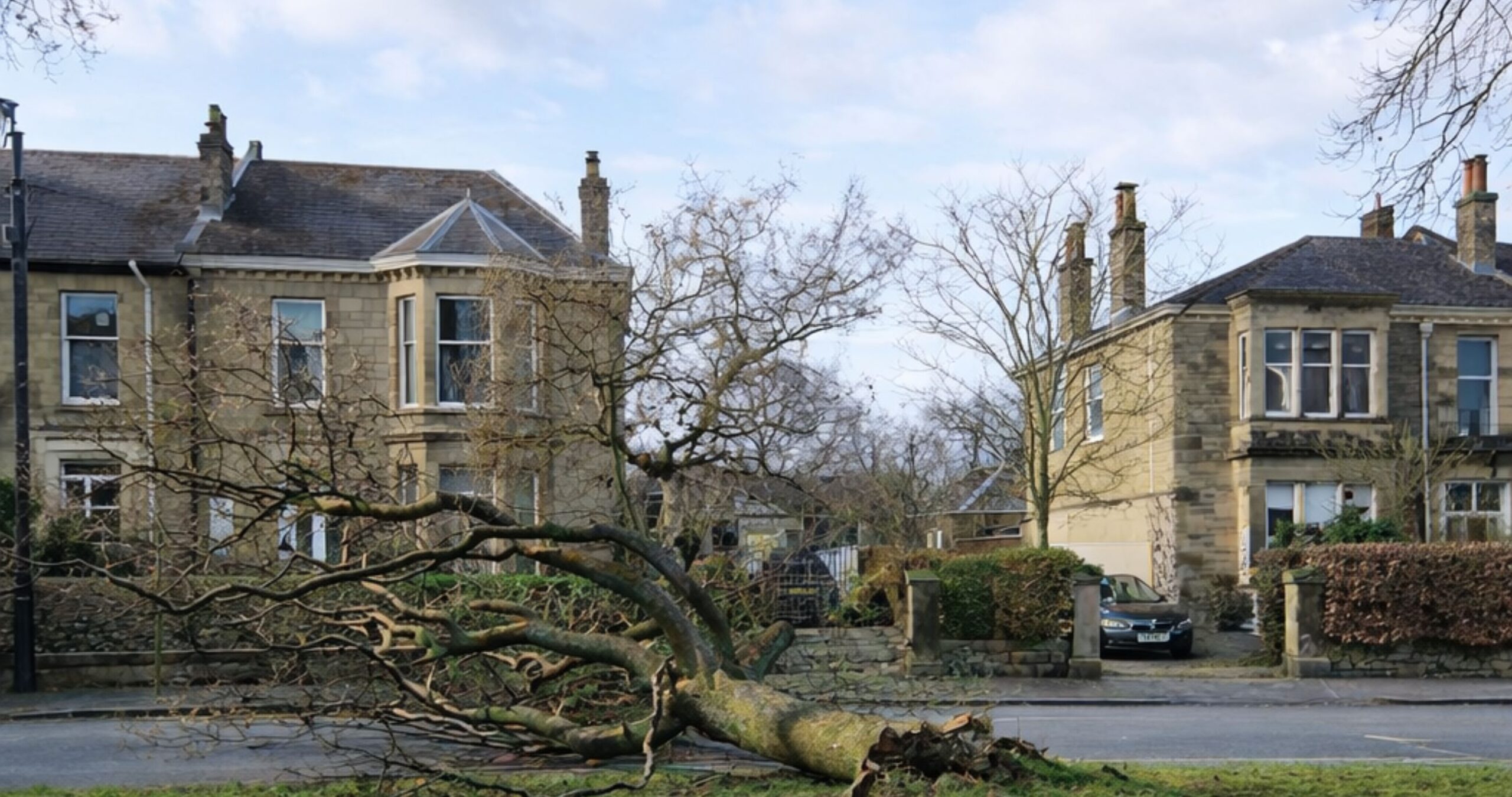
If a tree has come down unexpectedly or poses an immediate danger, our 24/7 emergency tree service in Colchester is available around the clock. Storm damage does not wait for business hours, and neither do we.
Legal Considerations: Tree Preservation Orders
Before any cutting begins, legal compliance checks are essential. Many trees across Dedham Vale, East Bergholt, and parts of Colchester are protected by Tree Preservation Orders (TPOs) or sit within conservation areas. Working on a protected tree without permission can result in serious fines.
A local tree surgeon near me who knows the area will:
- Confirm the TPO or conservation area status of your trees
- Advise on what work is and is not permitted
- Submit applications to the local authority on your behalf
- Ensure full compliance before any work takes place
This protects homeowners in Manningtree, West Bergholt, Wivenhoe, and across north Essex from unnecessary legal risk.
Afternoon: Tree Risk Assessments
Not every day ends with a chainsaw. Many afternoons are spent on inspections and risk assessments particularly for schools, public parks, commercial estates, and roadside trees across Braintree, Colchester, Ipswich, and Harwich.
A thorough assessment covers:
- Visual inspection of the canopy for dead or dying growth
- Checking for decay fungi at the base and on the trunk
- Inspecting root plates for signs of instability
- Evaluating structural weaknesses in the crown
Where needed, advanced diagnostic tools assess internal decay that is not visible to the naked eye. Catching problems early prevents far more serious and costly failures later on.
Why Local Knowledge Makes All the Difference
Working as a tree surgeon in North Essex means understanding this landscape intimately, coastal wind patterns, the clay-heavy soils around Colchester and Witham, floodplain conditions near Manningtree and Dedham, and rural woodland management near Sudbury and Halstead. A local team brings insight that national contractors simply cannot match.
Whether you need a tree surgeon in Braintree, tree services in Ipswich, a tree surgeon in Harwich, tree services in Wivenhoe, or an affordable tree surgeon in Colchester for routine maintenance, choosing a local professional means better results and greater accountability.
For urgent situations, our emergency tree services team is available 24 hours a day, 7 days a week.
Get in Touch Today
A day in the life of a tree surgeon across Colchester and North Essex is varied, demanding, and genuinely essential to the health and safety of our communities.
If you need tree pruning, crown reduction, tree removal, stump grinding, or a risk assessment anywhere across north Essex or south Suffolk, get in touch with Tree Service Colchester for a free quote for tree services in Colchester.
Tree care is not just about cutting wood, it is about preserving the landscape, protecting people, and ensuring the natural environment continues to thrive for generations to come.